Cutting-edge trends and technologies for Full Stack Developer

Full stack development has rapidly emerged as crucial aspect of the technology industry, with developers who possess expertise in both front-end and back-end technologies increasingly in demand. As businesses continue to prioritize the delivery of efficient, user-centric digital products, the role of full stack developers in creating comprehensive and integrated solutions has become more vital than ever. In today’s fast-paced digital world, full stack developers must stay informed about the latest trends and technologies to remain competitive and deliver the innovative solutions that users and businesses require.
In this article, we will explore the cutting-edge trends and technologies that are poised to redefine the future of full stack development which offering valuable insights into the trajectory of this dynamic domain. By delving into several trends, this article will provide a glimpse into the evolving landscape of full stack development and the exciting opportunities that lie ahead for developers who can adapt and expand their skillsets.
Serverless Computing
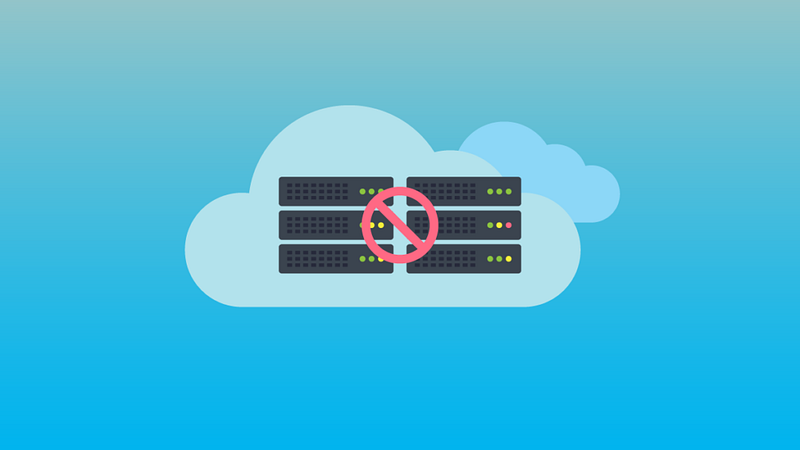
Serverless computing is a transformative trend in full stack development that allows developers to build and deploy applications without having to manage the underlying infrastructure. This cloud-based architecture relies on cloud providers’ infrastructure to dynamically allocate resources and execute code, freeing developers from the complexities of server management and maintenance.
Serverless computing offers several benefits including:-
- Automatic scaling: Serverless applications can automatically scale based on the number of incoming requests, ensuring that the application can handle varying workloads without manual intervention.
- Cost optimization: With serverless computing, you pay only for the compute resources that your application actually consumes, rather than pre-allocating resources, which can lead to cost savings.
- Reduced latency: Serverless computing enables applications to be deployed closer to the end-users, reducing latency and improving overall performance.
As a full stack developer, learning Serverless computing is essential for several reasons:
- Simplified Development Process: Serverless computing allows developers to focus on writing code and delivering functionality without worrying about infrastructure management, which can streamline the development process and boost productivity.
- Faster Time-to-Market: Since serverless applications can be deployed quickly and easily, developers can bring new features and products to market faster, providing a competitive advantage in the rapidly evolving tech landscape.
- Cost Efficiency: Serverless computing follows a pay-as-you-go pricing model, which means you only pay for the compute resources that your application consumes. This can lead to cost savings compared to traditional server-based architectures.
- Scalability: With serverless computing, applications can automatically scale based on the number of incoming requests, ensuring that the application can handle varying workloads without manual intervention. This can be particularly valuable for full stack developers working on applications with unpredictable or fluctuating demand.
- Enhanced Flexibility: Serverless computing allows developers to leverage multiple cloud providers and take advantage of the best tools and services for their specific needs, enabling more flexible and agile application development.
Popular serverless platforms include:-
- AWS Lambda: Amazon Web Services (AWS) Lambda is a leading serverless computing platform that allows developers to run their code in response to events, such as changes in data, without provisioning or managing servers.
- Microsoft Azure Functions: Azure Functions is a serverless compute service provided by Microsoft Azure that enables developers to run small pieces of code (functions) in the cloud, without worrying about infrastructure management.
- Google Cloud Functions: Google Cloud Functions is a serverless execution environment that allows developers to build and deploy applications without having to manage servers, automatically scaling resources based on the needs of the application.
- Alibaba Cloud Function Compute: Alibaba Cloud Function Compute is a fully managed, event-driven computing service that enables developers to focus on writing and uploading code while automatically handling infrastructure, scaling and maintenance.
Microservices Architecture
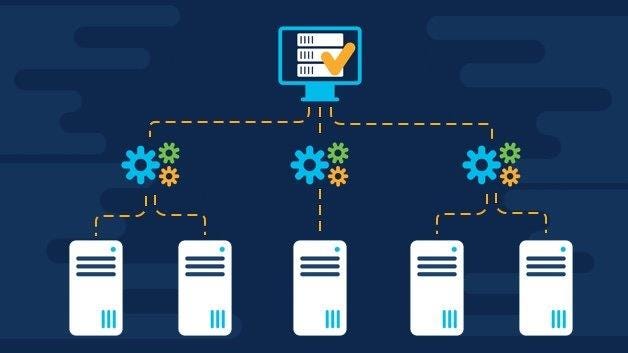
Microservices architecture involves breaking down a monolithic application into smaller, independent services that communicate with each other. This modular design makes it easier to develop, test and deploy individual components, resulting in improved scalability, maintainability and resilience. Additionally, microservices architecture enables organizations to use different technologies and languages for each service, providing the flexibility to choose the best tool for the job.
Full stack developers should consider learning and adopting microservices architecture due to the following advantages:
- Improved Scalability: Microservices can be scaled independently of one another, allowing for more targeted resource allocation and efficient handling of varying workloads. This is particularly valuable for applications with fluctuating or unpredictable demand.
- Enhanced Maintainability: With a microservices architecture, developers can update, repair, or extend individual services without impacting the entire application, reducing the complexity of maintenance tasks and minimizing the risk of unforeseen issues.
- Faster Development and Deployment: Smaller, modular services can be developed, tested and deployed more quickly than monolithic applications, accelerating the development lifecycle and enabling faster delivery of new features and products.
- Flexibility in Technology Choices: Microservices architecture allows developers to use different technologies, languages and frameworks for each service, providing the freedom to choose the best tool for each specific task or functionality.
- Improved Resilience: In a microservices architecture, the failure of one service is less likely to impact the entire application, as the other services can continue to function independently. This leads to increased overall resilience and fault tolerance.
To effectively adopt microservices architecture, full stack developers should familiarize themselves with best practices for designing, implementing and maintaining microservices-based applications. They should also explore tools and frameworks that facilitate microservices development such as Kubernetes. Additionally, developers should understand the importance of API design, as well as concepts like service discovery, load balancing and inter-service communication which are essential for ensuring the smooth operation of microservices-based applications.
By embracing microservices architecture, full stack developers can create more adaptable and scalable applications, better meeting the evolving needs of users and businesses in today’s fast-paced digital landscape.
Artificial Intelligence and Machine Learning

Artificial Intelligence (AI) and Machine Learning (ML) have become increasingly prominent in the world of software development, revolutionizing the way applications are created and maintained. These technologies enable developers to automate repetitive tasks, optimize code and even generate new code, leading to increased efficiency and improved overall software quality.
Full stack developers should invest time in learning AI and ML for several reasons:
- Streamlined Development Process: AI and ML can help automate various aspects of the development process, such as code generation, testing and debugging, allowing developers to focus on higher-level tasks and boosting productivity.
- Enhanced Software Quality: By leveraging AI and ML, developers can identify potential issues and areas for improvement in their code, resulting in better-performing, more reliable applications.
- Personalized User Experiences: AI and ML can be used to deliver personalized content and recommendations based on user behavior and preferences, leading to more engaging and tailored user experiences.
- Data-Driven Decision Making: Integrating AI and ML into applications can help businesses make src="https://cdn-images-1.medium.com/max/800/1*3SB5wJhzmFOGyczwn6hLJQ.jpeg">
Image by Freepik PWAs are web applications that offer a native app-like experience, combining the best features of native apps and web pages. These applications can be accessed through a browser, but also offer features such as offline capabilities, push notifications and home screen installation. PWAs are fast-loading, mobile-friendly and can be developed using standard web technologies like HTML, CSS and JavaScript.
As for full stack developers, you should consider learning and implementing PWAs for several reasons:
- Enhanced User Experience: PWAs offer a native app-like experience, with smooth navigation, fast loading times and improved performance compared to traditional web applications, resulting in a more engaging and satisfying user experience.
- Increased User Engagement: PWAs support features such as push notifications and offline access, allowing developers to deliver timely, relevant content and ensure that users can interact with the application even when they are not connected to the internet.
- Cost-Effective Development: Building a PWA is typically more cost-effective than developing separate native mobile applications for different platforms, as developers can reuse a significant portion of the code across multiple devices and operating systems.
- Easier Maintenance: PWAs have a single codebase, making it simpler and more efficient to maintain and update the application compared to managing separate native mobile applications.
Examples of successful PWAs include:
- Twitter Lite: Twitter Lite is a PWA that provides a faster, more src="https://cdn-images-1.medium.com/max/800/1*OgYOFBh0wq3SPWuRMfM8nw.jpeg">
Image by rawpixel.com on Freepik The Internet of Things (IoT) is a rapidly growing area in technology, connecting everyday objects and devices to the internet, enabling them to collect and exchange data. IoT applications can range from smart home systems to large-scale industrial setups and they have the potential to revolutionize the way we live and work. As a full stack developer, diving into the world of IoT can open up a plethora of opportunities and help you stay ahead in the technology landscape.
Understanding IoT is crucial for full stack developers due to several reasons:
- Growing Market Demand: As more and more devices become connected, there is an increasing demand for developers with expertise in building IoT applications. Gaining proficiency in IoT development can help full stack developers access new job opportunities and stay relevant in the industry.
- Enhanced User Experiences: IoT applications can collect and analyze data from connected devices, enabling developers to create more personalized, context-aware and intelligent user experiences.
- Increased Efficiency and Automation: IoT applications can streamline and automate various processes, leading to increased efficiency and cost savings for businesses.
To build IoT applications, full stack developers should familiarize themselves with the following:
- IoT Protocols: Understanding communication protocols commonly used in IoT, such as MQTT, CoAP and HTTP, is crucial for enabling seamless data transfer between devices and applications.
- IoT Platforms: Developers should explore IoT platforms such as AWS IoT, Microsoft Azure IoT Hub and Google Cloud IoT, which provide pre-built tools and services for connecting, managing and securing IoT devices.
- Device Management: Full stack developers should learn about device management, including provisioning, authentication and updating devices, to ensure the smooth operation and security of IoT applications.
- Data Processing and Analytics: Developers should also gain proficiency in processing and analyzing data from IoT devices, leveraging tools and frameworks such as Apache Kafka and TensorFlow.
By embracing IoT development, full stack developers can stay ahead of the curve and create innovative applications that harness the power of connected devices, delivering more intelligent and personalized experiences to users and driving efficiencies for businesses.
Containerization

Image by tawatchai07 on Freepik Containerization is a modern approach to software development that simplifies the process of packaging, deploying and running applications in different environments. By using containers, developers can bundle an application along with its dependencies, libraries and configuration files into a single, self-contained unit. This ensures that the application runs consistently across various platforms, making it easier to develop, test and deploy software.
Full stack developers should learn to containerize application for several key reasons:
- Consistency Across Environments: Containerization ensures that applications behave consistently across different stages of the development lifecycle, from development and testing to production. This reduces the likelihood of encountering environment-specific issues and streamlines the development process.
- Faster Deployment: Containers are lightweight and start up quickly, allowing for faster application deployment and more efficient resource utilization compared to traditional virtual machines.
- Scalability: Containerization makes it easier to scale applications horizontally, by simply adding or removing container instances as needed, based on the workload.
- Simplified Dependency Management: Containers bundle all dependencies together with the application, making it easier to manage and update libraries and frameworks without affecting other parts of the system.
To get started with containerization, full stack developers should explore the following tools and concepts:
- Docker: Docker is the most popular containerization platform, providing tools and resources for creating, deploying and managing containers. Developers should familiarize themselves with Docker concepts like images, containers and Dockerfiles, as well as learn the basics of the Docker command line interface.
- Kubernetes: Kubernetes is a powerful container orchestration platform that automates the deployment, scaling and management of containerized applications. Learning about Kubernetes concepts, such as pods, nodes and services, can help developers effectively manage and scale their containerized applications.
- Container Registries: Container registries, such as Docker Hub or Google Container Registry, are services that store and distribute container images. Developers should understand how to push and pull images from registries, as well as how to manage image versions and access control.
By embracing containerization, full stack developers can streamline their development process, ensure consistency across environments and easily scale their applications. Gaining expertise in containerization technologies like Docker and Kubernetes not only improves the overall efficiency of the development process but also helps developers stay ahead in the ever-evolving world of software development.
DevOps and Continuous Integration/Continuous Deployment (CI/CD)
Image by upklyak on Freepik DevOps is a set of practices that aims to improve collaboration between development and operations teams, resulting in faster and more efficient software delivery. Full stack developers who can integrate DevOps practices into their workflows will be highly sought after as they contribute to an organization’s digital transformation journey.
Full stack developers should learn about DevOps for several key reasons:
- Enhanced Collaboration: DevOps encourages communication and collaboration between development and operations teams, fostering a shared understanding of project goals and requirements. This improved teamwork leads to better decision-making and more efficient problem-solving.
- Faster Delivery: By automating various stages of the development process, such as testing, integration, and deployment, DevOps can significantly reduce the time it takes to deliver new features and updates to end-users.
- Improved Quality and Reliability: DevOps practices, such as continuous integration and continuous deployment (CI/CD), help catch issues early in the development process, resulting in more stable and reliable applications.
- Easier Maintenance: DevOps enables developers to respond quickly to changing requirements and fix issues as they arise, making it easier to maintain and update applications over time.
To get started with DevOps, full stack developers should explore the following tools and concepts:
- Version Control Systems: Familiarize yourself with version control systems like Git, which enable developers to track changes to their code, collaborate effectively, and maintain a history of code revisions.
- Continuous Integration and Continuous Deployment (CI/CD): Learn about CI/CD pipelines, which automate the process of building, testing, and deploying applications, ensuring that new code changes are consistently integrated and delivered to production environments.
- Infrastructure as Code (IaC): Understand the concept of IaC, which involves managing and provisioning infrastructure resources (such as servers, networks, and storage) using code and configuration files. Tools like Terraform, AWS CloudFormation, and Ansible can help implement IaC practices.
By adopting a DevOps mindset and learning about the associated tools and practices, full stack developers can improve collaboration, accelerate software delivery, and ensure that their applications are more reliable and maintainable. Embracing DevOps can help developers stay competitive in the fast-paced world of software development, creating better software experiences for end-users and driving business success.
Conclusion
The future of full stack development is filled with immense opportunities, as new trends and technologies continue to emerge. Full stack developers who can adapt to these changes and expand their skillsets will be well-equipped to build innovative and robust applications that cater to the evolving needs of users and businesses alike. As technology continues to advance rapidly, full stack developers must remain agile and adaptable, ensuring they can thrive in this dynamic and exciting field.