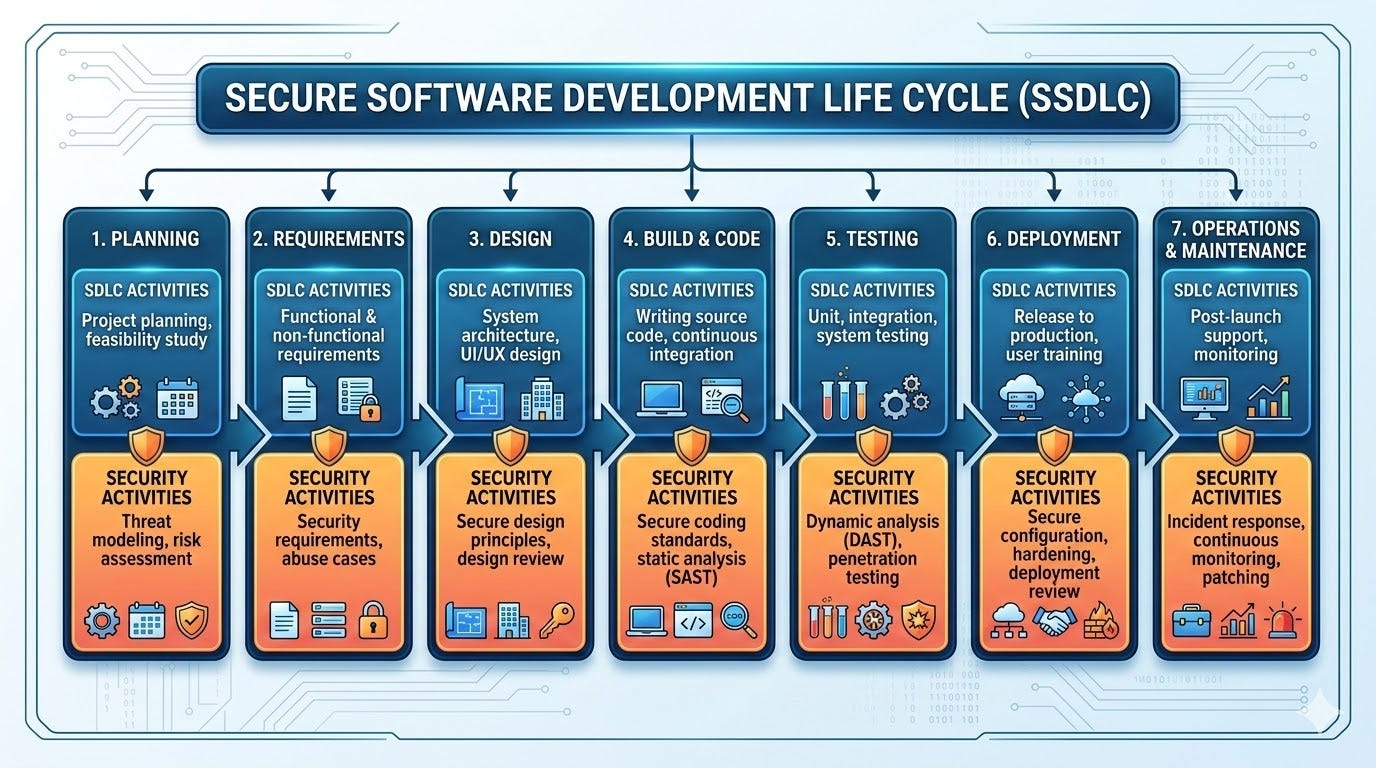
Is Whitebox Testing Overrated for Real-World Scenarios?
There are many type of cybersecurity pentesting — but probably 2 of the most common method are blackbox and whitebox testing.
- Blackbox testing simulates an attack: real-world attackers trying to break into your system from the outside.
- In contrast, whitebox testing digs deep into the internal workings — the guts — of the system, essentially exposing the tester to the “under the hood.”
Now, here comes the interesting part. For most of those cases, one would say blackbox testing would do. If your system resists a blackbox attack, does it really need to get a whitebox test? And is whitebox giving you anything new or overkill?
Blackbox Testing
Blackbox testing mirrors real-world threats. Think about it — most hackers don’t have inside knowledge of your system. They’re probing from the outside, looking for weaknesses without knowing the specifics of your code or infrastructure.
When you run a blackbox test, you’re might be asking — “Could someone with no prior knowledge break into my system?”
If the answer is no, that’s a solid sign your defences are in good shape. This approach reflects the most likely threat you’re going to face — external attacks. It’s practical and gets right to the heart of real-world risks.
There’s something straightforward and clean about blackbox testing. It mimics exactly what you’re defending against random attacks from outsiders. If your system can hold up against that, why complicate things with whitebox?
Whitebox Testing
Whitebox testing lets the tester see the internals of the system for example the source code, architecture and server / cloud configurations. It’s often thought of as being more thorough, which is true in a sense. But, the reality is, many of the vulnerabilities whitebox testers find are rooted in human error which is endless vulnerabilities that developers leaving doors open by accident or misconfiguring things that an external attacker wouldn’t even know about.
That brings up a crucial point. Are these internal slip-ups really what you should be focusing on? Shouldn’t your priority be securing your system from outside attacks, where the real threats lie? Sure, whitebox might catch some mistake that could be exploited by someone with deep knowledge of your system, but let’s face it — that’s not the average hacker’s profile.
When Is Whitebox Testing Really Necessary?
Now big questions.
Does whitebox bring anything of value to the table, if your blackbox testing holds up?
Of course, there’s whitebox testing. Wherever a system may deal with sensitive information, in healthcare, in banking and every other variety of high-risk industry, this extra layer of scrutiny can be particularly useful. Whitebox testing can show up vulnerabilities that persons with insider knowledge or those privileged in their access can take advantage of.
But for most businesses or systems, are you really dealing with that level of risk? In other words, is your attacker more likely to be sophisticated insiders or just external hackers trying to get in? More often than not, it’s the latter.
Do You Really Need Both?
Another thing to consider is how much overlap there is between blackbox and whitebox testing. Blackbox already covers a huge part of your risk — external attacks. A well-done blackbox test will expose many of the same vulnerabilities a whitebox test might, especially when it comes to things like poor configurations, default passwords, or obvious coding flaws.
There’s a tendency in cybersecurity to pile on extra layers of testing to feel more secure. But at some point, there’s diminishing returns. Whitebox testing can sometimes give a false sense of added security — catching obscure bugs or vulnerabilities that are unlikely to ever be exploited in the wild.
So, why double up? If blackbox covers 80% (or more) of your vulnerabilities, is it worth the extra time and cost to run a whitebox test for that remaining 20%? It’s a balancing act between thoroughness and efficiency.
If your blackbox test has already passed with flying colours, it’s fair to ask — what more are we looking for? Sure, no system is perfect, but isn’t the goal to stop the realistic threats?
Costs, Time and Resources
Let’s be realistic here. Whitebox testing is not cheap. It is a very detailed, granular level of test that requires time, money and expertise. If you’ve already devoted many resources to blackbox testing and the results are looking great, is whitebox worth the added cost?
It also consumes more of your team’s resources — developers and administrators must support the testers, explaining how the system works, answering questions about the code and probably even fixing problems that aren’t real-world vulnerabilities but are theoretically possible. Is that really the best use of their time? Probably not, in too many cases. 🤷♂️
The Importance of Cybersecurity Awareness for System Admins and Staff
We can all agree that the most important protection against the attacks are the people who manage your systems — system admins or regular staff. You might have the best testing methods available, but if your staff cannot recognize a phishing email or know the right way to handle sensitive data, you seriously have an issue.
Cybersecurity awareness is imparted to the employees. Such social engineering phishing or impersonation attacks take advantage of human weaknesses. These also happen to be the most easy ways for having administrative access to a system — just get someone to click on a malignant link, or better still, give out credentials. No amount of testing-blackbox or whitebox-allows for this kind of human error.
Or rather, what is equally or even more important is teaching your personnel to see the possible threats, not deeply testing the system itself. Above all, system admins should be aware of the current tendencies in cybersecurity and consider the newest methods of performing the attack. It is the threats that are in a constant flow, so they need to learn and change in regard to protection strategies.
The problem is, not knowing even the best of systems quickly fall if somebody clicks the wrong link or downloads things they should not have. Sometimes, money spent on the training of staff and awareness programs pays better dividends in protection than does more whitebox testing.
Conclusion
At the end of the day, security isn’t about ticking boxes or running every test under the sun. It’s about being practical, focusing on the real risks, and making sure your system is secure against the threats that actually matter.
Blackbox testing already simulates what most attackers will try to do. It shows how your system stands up against real-world threats, and if it’s good enough, maybe you don’t need to go further. Whitebox testing has its place, but it’s not always necessary, especially if your focus is on protecting against external attacks.
So, next time you’re planning your security tests, ask yourself — does whitebox really add value, or is blackbox enough? Do you need to dive into the code, or is it better to invest in training your people to spot phishing attempts and other social engineering tricks?
Security is complex, but it doesn’t need to be over-complicated. Sometimes, simpler is better.
Disclaimer: This is just my personal take on the matter. Don’t get mad about it — everyone has their own views on security testing 😄 ! Feel free to share your thoughts and feedback; I’d love to hear what you think.
References
If you found this article insightful and want to stay updated with more content on system design and technology trends, be sure to follow me on :-
Twitter: https://twitter.com/hafiqdotcom
LinkedIn: https://www.linkedin.com/in/hafiq93
Buy Me Coffee: https://paypal.me/mhi9388 /
https://buymeacoffee.com/mhitech
Medium: https://medium.com/@hafiqiqmal93