An In-depth Look at the Rise of OTP Flood Attacks and Exploring Innovative Solutions to Safeguard Your Digital Fortress

In the ever-evolving world of cyber threats, new attack vectors spring up as quickly as security experts manage to quash old ones. One such emergent threat that has been turning heads in the cybersecurity landscape is the One-Time Pin (OTP) Flood Attack. A threat that’s as complex as it is cunning, these attacks have proven to be particularly damaging to organizations relying heavily on SMS-based authentication methods.
This article aims to unravel the enigma of OTP Flood Attacks, offering readers a comprehensive understanding of their mechanisms, impacts and most importantly, strategies for mitigation. As we journey through this digital labyrinth, we will shed light on the facts, the misconceptions and the imperative for robust cybersecurity measures in our increasingly interconnected world.
OTPs — The Guardian at the Gates
One-Time Pins or OTPs have long been lauded as a reliable mechanism for ensuring secure user authentication. As a unique, short-lived code typically delivered through SMS, email, or an app, OTPs provide an additional layer of security (two-factor authentication) in a world fraught with data breaches and identity theft. Yet, like most things in the digital realm, OTPs are not impervious to abuse.
Unmasking the OTP Flood Attack
OTP Flood Attacks, also known as OTP flooding or OTP spamming, is a type of Distributed Denial of Service (DDoS) attack. It targets OTP mechanisms by inundating them with numerous anonymous requests. This results in a drastic drain on resources, such as the SMS credits of a company.
But why would an attacker do this? The motivations vary. It could be an attempt to disrupt operations, to financially bleed a company by depleting its SMS credits, or as a smokescreen for a more sinister cyber attack.
The Anatomy of an OTP Flood Attack

A typical OTP Flood Attack follows a relatively straightforward process. First, the attacker identifies a target — generally a system that uses OTPs for user authentication. Next, they deploy a botnet, a network of compromised computers, to bombard the target system with OTP requests.
The sheer volume of these requests overwhelms the system, leading to the depletion of SMS credits and effectively shutting down the OTP mechanism. This scenario presents a significant issue for the target organization, with potential ramifications ranging from financial loss to severe operational disruptions and reputational damage.
The Unseen Consequences
The immediate consequences of an OTP Flood Attack — operational disruption and financial loss due to drained SMS credits — are readily apparent. However, these assaults can have a ripple effect, leading to a multitude of less visible but equally damaging repercussions.
- Erosion of Trust: Trust is the bedrock of any relationship between an organization and its customers. When users are unable to access services due to an OTP Flood Attack, this trust is eroded. The fear of data breaches or compromised personal information can drive users away, impacting not only existing customer relationships but also deterring potential new customers.
- Reputational Damage: In an age where news travels quickly, particularly negative news, a successful cyber attack can cause significant harm to an organization’s reputation. The perceived inability to safeguard critical systems can lead to a loss of confidence among stakeholders, including customers, partners and investors. This reputational damage can have long-lasting effects and may require substantial effort and resources to rebuild.
- Legal and Regulatory Repercussions: Depending on the severity of the attack and the jurisdiction, organizations could face legal and regulatory consequences. These may include fines, penalties and increased scrutiny from regulators. In certain cases, customers or partners may also seek legal recourse if they believe that insufficient security measures contributed to the attack.
- Secondary Attacks: OTP Flood Attacks can sometimes serve as a smokescreen, diverting attention away from other, more insidious attacks. While the organization is focused on restoring the OTP system, attackers may exploit other vulnerabilities or extract sensitive data unnoticed.
- Increased Operational Costs: Recovering from an OTP Flood Attack isn’t just about replenishing SMS credits. It often requires a comprehensive review of the existing security infrastructure, identifying vulnerabilities and implementing enhanced security measures. These processes can be resource-intensive, leading to increased operational costs.
In light of these potential consequences, it’s clear that an OTP Flood Attack’s impact can extend far beyond the initial attack, underscoring the need for strong preventative measures and rapid, effective incident response.
Fortifying Defenses: Mitigating OTP Flood Attacks
The fight against OTP Flood Attacks begins with recognition. Understanding the threat is the first step toward building robust defenses.
- Rate Limiting: Implementing rate limiting on the OTP requests can significantly curtail the impact of an OTP Flood Attack. By limiting the number of OTP requests from an IP address in a given timeframe, you can prevent an attacker from flooding your system with requests.
- CAPTCHA: Another effective tool is the CAPTCHA. By requiring users to complete a CAPTCHA before requesting an OTP, you add an extra layer of protection that’s difficult for a botnet to bypass. There are a lot CAPTCHA library in the market can be use for example, Google’s reCAPTCHA, hCaptcha, Huawei UserDetect and etc.
- Monitoring and Alerting: Keep a close eye on your OTP mechanism. Set up alerts for suspicious activity such as a sudden spike in OTP requests. Early detection can help mitigate damage and enable quicker response times.
- IP Blacklisting: IP addresses that generate abnormal OTP requests can be blacklisted, effectively blocking any further requests from them. If you are a cloud architect, you may block the request directly through WAF config rules.
- Multi-factor Authentication (MFA): Incorporating additional layers of authentication, like biometrics or hardware tokens, can provide added security that’s more difficult for attackers to compromise.
- OTP Alternatives: Consider other secure authentication methods such as Time-based One-Time Passwords (TOTP) that use a shared secret and the current time to generate unique OTPs.
The Long Game: Adopting a Proactive Stance
While immediate defensive measures are essential, effective cybersecurity is a long-term endeavor. It requires not just technical solutions but also a proactive, security-centric culture within the organization.
- Regular Training Sessions: Cyber threats constantly evolve and so too should our understanding of them. Regular training sessions ensure that employees at all levels are aware of the current threat landscape, understand the potential risks and are equipped to take appropriate action. These sessions should cover a range of topics, from recognizing potential threats to proper procedures for reporting suspicious activities.
- Security Audits and Penetration Testing: Regular security audits can help identify vulnerabilities in your systems before attackers do. These audits should be comprehensive, encompassing both your technical infrastructure and your security policies. Complementing these with regular penetration testing, where ethical hackers attempt to breach your defenses, can provide further assurance of your systems’ resilience.
- Incident Response Planning: Despite the best defenses, breaches can still occur. A robust incident response plan can significantly reduce the damage caused by an attack. These plans should clearly define roles and responsibilities, establish procedures for identifying and isolating the breach and include communication strategies to inform affected parties and manage public relations.
- Continuous Monitoring: Implementing systems for continuous monitoring of your networks and systems can help detect unusual activity that may signal an impending attack. Early detection can provide crucial time for defensive action, potentially preventing the attack or minimizing its impact.
- Embracing a Security-first Culture: Ultimately, the most effective defense against cyber threats is a security-first culture. This means prioritizing security at every level of the organization, from decision-making and planning to daily operations. When security becomes a shared responsibility, everyone becomes a part of the organization’s defense.
Adopting a proactive stance on cybersecurity is an ongoing commitment. It requires continuous learning, regular updating of strategies and consistent enforcement of security policies. However, the payoff — protection against potentially devastating cyber attacks — is well worth the effort.
Conclusion
In the digital age, where technology rapidly evolves, so does the sophistication of cyber threats. OTP Flood Attacks are a stark reminder of this reality. They underline the importance of staying vigilant and proactive in the face of the ever-changing cyber risk landscape.
As organizations, we must understand that cybersecurity is not a destination but a journey, one that requires constant vigilance, continual learning and unwavering commitment to safeguarding our digital assets. By understanding the nature of threats like OTP Flood Attacks, we can better equip ourselves to stand resilient in the face of adversity, ensuring the continued safety of our operations, assets and reputation.
The power to defend against such threats lies within our grasp. It begins with understanding, extends into action and endures through a culture of security consciousness. As we continue to navigate the interconnected digital seas, let us steer our vessels with foresight, fortitude and a firm hand on the cybersecurity helm.
References
Found this helpful?
If this article saved you time or solved a problem, consider supporting — it helps keep the writing going.
Originally published on Medium.
View on MediumYou might also like
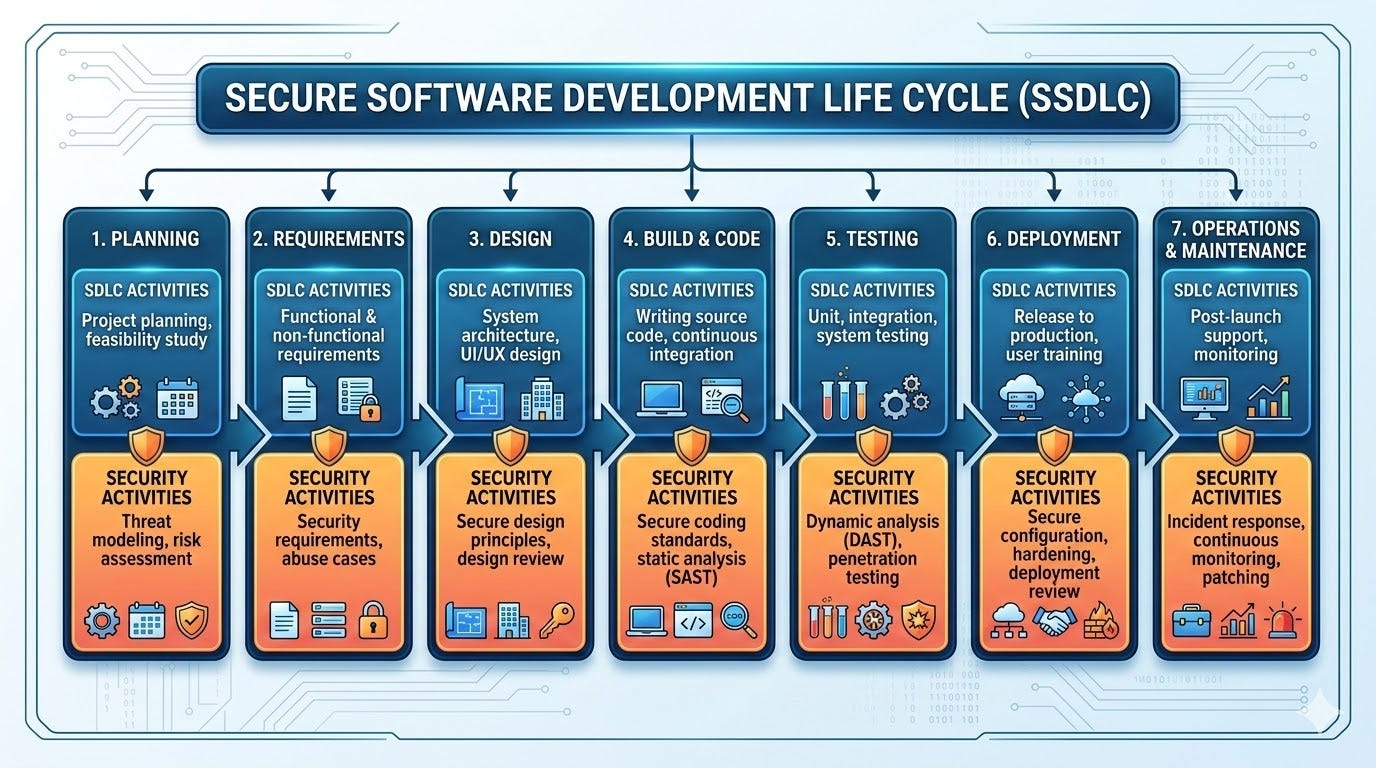
The Audit Asked If We Had SSDLC. I Had to Google It. Here Is What It Means.
April 6, 2026
The Livewire v3 RCE That Broke the Magic: Understanding CVE-2025–54068
April 6, 2026