Exploring Cloud Computing Services
Introduction
If you’ve ever felt overwhelmed by terms like IaaS, PaaS, SaaS, IDaaS and FWaaS, you’re not alone. The cloud computing industry is evolving rapidly and with it comes a acronyms that can seem daunting at first glance. But don’t worry — we’re here to break it down for you in a way that’s both informative and easy to understand.
In this article, we’ll explore the various cloud service models, what they mean and how they can benefit your business or personal projects. Whether you’re a tech enthusiast, a business owner or just curious about the cloud, this guide will help you to navigate the current available cloud computing services.
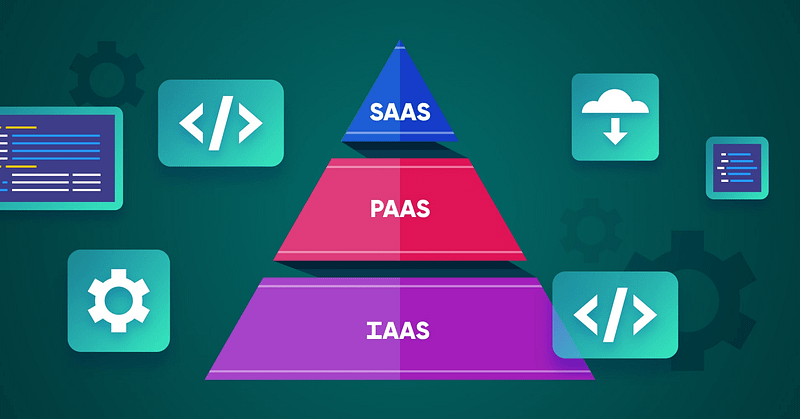
Infrastructure as a Service (IaaS)
Imagine you’re building a house. IaaS is like having access to the raw materials and tools you need to build it — bricks, cement, hammers, etc. You get to design and construct the house exactly the way you want, but you’re responsible for doing the heavy lifting.
What is IaaS?
IaaS stands for Infrastructure as a Service. It’s a cloud computing service model that provides virtualized computing resources over the internet. This includes virtual machines, storage and networking components. With IaaS, businesses can rent IT infrastructure on a pay-as-you-go basis, which eliminates the need for physical hardware and reduces upfront costs.
Benefits of IaaS:
- Scalability: Easily scale up or down based on your needs.
- Cost-Effective: Pay only for what you use, reducing capital expenditures.
- Flexibility: Customize the infrastructure to meet specific requirements.
- Disaster Recovery: Benefit from built-in redundancy and disaster recovery solutions.
Use Cases:
- Hosting websites and web applications
- Running high-performance computing (HPC) tasks
- Development and testing environments
- Data storage, backup and recovery
Examples of IaaS Products:
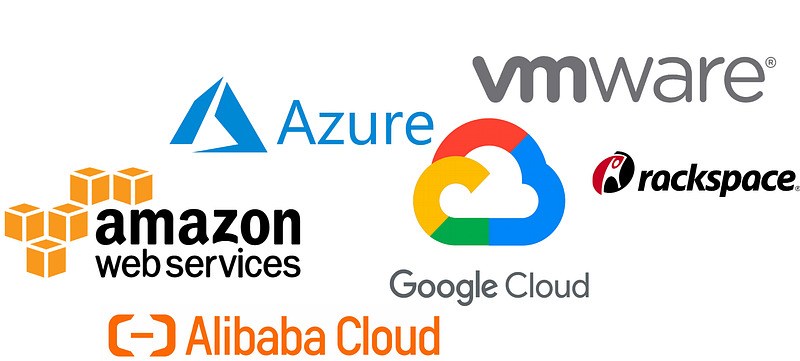
- Amazon Web Services (AWS) EC2: Provides scalable computing capacity in the cloud.
- Microsoft Azure: Offers virtual machines, storage and networking capabilities.
- Google Cloud Platform (GCP) Compute Engine: Enables users to run virtual machines on Google’s infrastructure.
Platform as a Service (PaaS)
Continuing with our house analogy, PaaS is like having a pre-built house with plumbing, electrical systems and walls already in place. You can focus on furnishing and decorating it without worrying about the foundational work.
What is PaaS?
PaaS stands for Platform as a Service. It provides a platform that allows developers to build, deploy and manage applications without dealing with the underlying infrastructure. PaaS includes tools and libraries for software development, middleware, database management systems and more.
Benefits of PaaS:
- Development Speed: Accelerates development with pre-built components and tools.
- Cost Savings: Reduces the need for investing in hardware and software.
- Simplified Management: Manages infrastructure and platform updates automatically.
- Collaboration: Enhances collaboration among distributed teams with shared development environments.
Use Cases:
- Developing and deploying web and mobile applications
- Creating microservices and APIs
- Managing databases and middleware
- Running DevOps pipelines
Examples of PaaS Products:
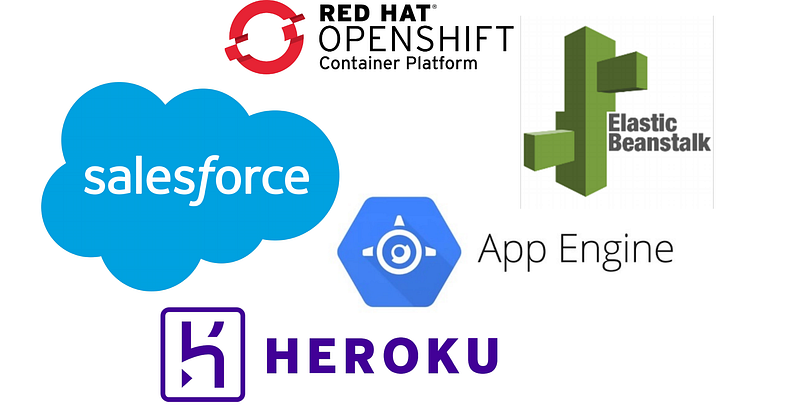
- Google App Engine: A managed platform for building and deploying applications.
- Microsoft Azure App Service: Enables the building, deployment and scaling of web apps.
- Heroku: A cloud platform that lets companies build, run and operate applications entirely in the cloud.
Software as a Service (SaaS)
Think of SaaS as renting a fully furnished and decorated house. Everything is set up for you and you just move in and start living. There’s no need to worry about maintenance or upgrades — the service provider takes care of it all.

What is SaaS?
SaaS stands for Software as a Service. It delivers software applications over the internet on a subscription basis. Users can access these applications through a web browser without needing to install or maintain software on their local devices.
Benefits of SaaS:
- Accessibility: Access applications from anywhere with an internet connection.
- Automatic Updates: Receive regular updates and new features without manual intervention.
- Cost Efficiency: Pay a subscription fee, reducing the need for upfront investments.
- Scalability: Easily scale usage based on the number of users or features needed.
Use Cases:
- Email services (e.g., Gmail, Outlook)
- Customer Relationship Management (CRM) systems (e.g., Salesforce)
- Collaboration tools (e.g., Slack, Microsoft Teams)
- Project management software (e.g., Trello, Asana)
Examples of SaaS Products:
- Google Workspace: A suite of productivity and collaboration tools.
- Zoom: A video conferencing tool used for virtual meetings and webinars.
Identity as a Service (IDaaS)
In the context of our house analogy, IDaaS is like having a secure key system for your house that ensures only authorized people can enter. It manages access to your home, ensuring safety and security.

What is IDaaS?
IDaaS stands for Identity as a Service. It offers cloud-based solutions for identity and access management (IAM). IDaaS platforms provide secure authentication, authorization and user management services, often integrating with various applications and systems.
Benefits of IDaaS:
- Enhanced Security: Implements strong authentication methods to protect user identities.
- Convenience: Simplifies user management and access control.
- Compliance: Helps meet regulatory requirements for data protection and privacy.
- Single Sign-On (SSO): Allows users to access multiple applications with one set of credentials.
Use Cases:
- Managing employee access to corporate systems
- Providing secure login for customers on e-commerce platforms
- Enforcing access policies for sensitive data and applications
- Integrating with HR systems for automated user provisioning
Examples of IDaaS Products:
- Okta: A comprehensive identity management service that offers SSO and multi-factor authentication.
- Microsoft Azure Active Directory: Provides identity and access management solutions for businesses.
- Auth0: A flexible, drop-in solution to add authentication and authorization services to applications.
Firewall as a Service (FWaaS)
Lastly, FWaaS is like having a robust security system for your house, complete with alarms and surveillance to protect against intruders. It provides a shield against threats, ensuring your home remains safe and secure.

What is FWaaS?
FWaaS stands for Firewall as a Service. It delivers firewall capabilities through the cloud, offering advanced security features to protect networks from cyber threats. FWaaS can include intrusion detection and prevention, web filtering and secure access controls.
Benefits of FWaaS:
- Advanced Threat Protection: Provides comprehensive security features to detect and prevent threats.
- Scalability: Easily scale firewall capabilities to match network growth.
- Simplified Management: Centralizes firewall management with easy-to-use interfaces.
- Cost Efficiency: Reduces the need for physical firewall appliances and associated maintenance.
Use Cases:
- Protecting corporate networks and data centers
- Securing remote and branch offices
- Providing security for cloud-based applications
- Enhancing network security for small and medium-sized businesses
Examples of FWaaS Products:
- Cloudflare: Offers a suite of security services that include firewall capabilities delivered through the cloud
- Cisco Umbrella: Delivers firewall and secure web gateway capabilities from the cloud.
Conclusion
Understanding the different service models is crucial for making informed decisions. Whether you’re looking to build and manage your own infrastructure with IaaS, streamline your development processes with PaaS, leverage ready-to-use software solutions with SaaS, secure your identity management with IDaaS or protect your network with FWaaS, there’s a cloud service model tailored to your needs.
As businesses and individuals increasingly rely on cloud services, grasping these concepts will empower you to harness the full potential of the cloud. So, the next time you hear someone mention IaaS, PaaS, SaaS, IDaaS or FWaaS, you’ll not only know what they’re talking about but also how it can benefit you.
The cloud is here to stay and with the right knowledge, you can navigate it with confidence and ease.
Happy cloud computing!
A Little More About the Future of Cloud Services
The future of cloud services is bright, with advancements in AI, machine learning and edge computing poised to revolutionize the industry further. These technologies will bring even more sophisticated services and capabilities, enhancing how we interact with and utilize the cloud.
Keep an eye on emerging trends and stay curious. The cloud is an exciting space with endless possibilities and understanding its fundamental service models is the first step toward leveraging its full potential.
If you found this article insightful and want to stay updated with more content on system design and technology trends, be sure to follow me on :-
Twitter: https://twitter.com/hafiqdotcom
LinkedIn: https://www.linkedin.com/in/hafiq93
BuyMeCoffee: https://paypal.me/mhi9388 / https://buymeacoffee.com/mhitech
In Plain English 🚀
Thank you for being a part of the In Plain English community! Before you go:
- Be sure to clap and follow the writer ️👏️️
- Follow us: X | LinkedIn | YouTube | Discord | Newsletter
- Visit our other platforms: CoFeed | Differ
- More content at PlainEnglish.io