Revolutionizing Pet Care with Technology
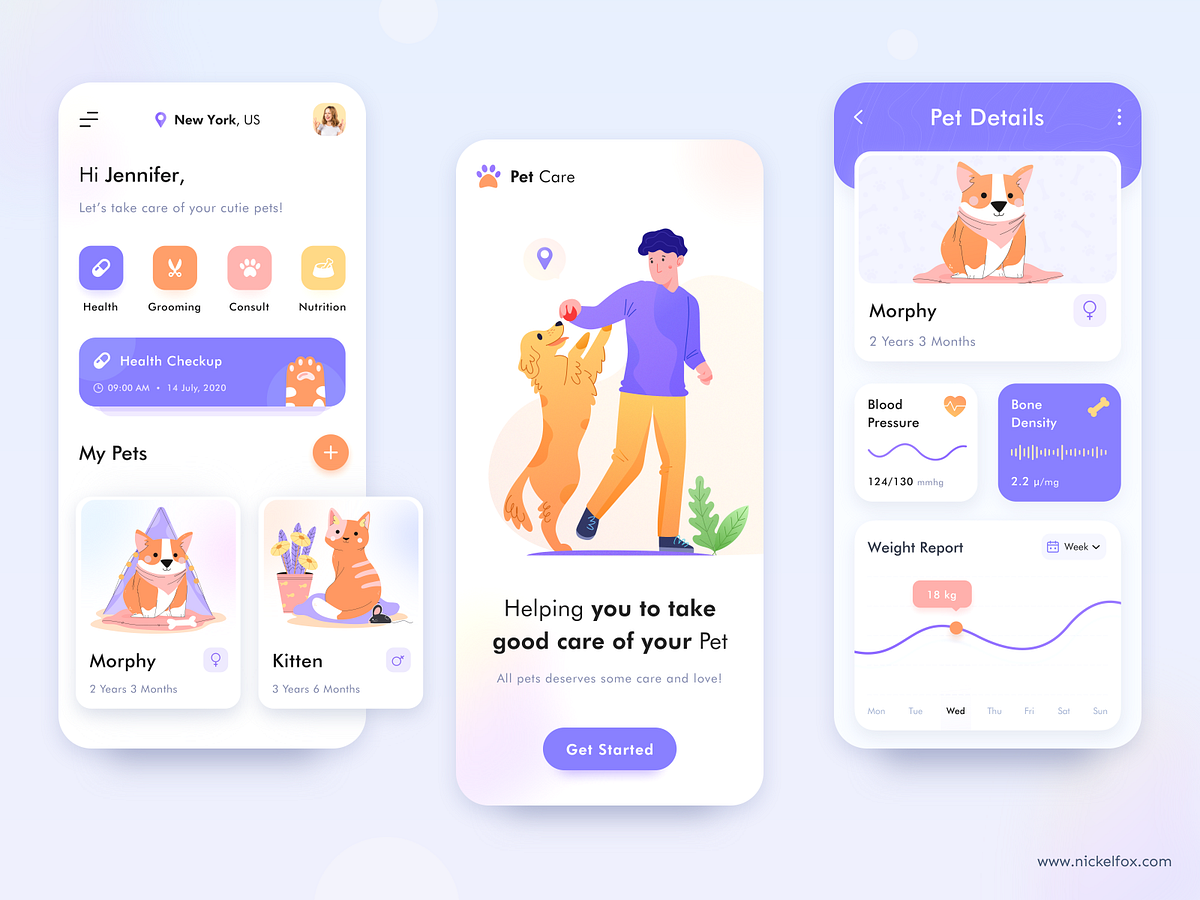
Pet ownership is a joyful and rewarding experience, but it also comes with a host of responsibilities. From keeping up with vaccinations and vet visits to finding reliable pet sitters and trainers, the list of tasks can be overwhelming. This is where a Pet Care App can make a world of difference. Imagine an app that not only tracks your pet’s health records but also offers training tips, connects you with local pet services and even provides a community of fellow pet owners.
In this article, we’ll explore the comprehensive system design for a Pet Care App, covering everything from demand statistics to high-level architecture and providing insights on how to monetize and implement best practices.
Disclaimer: The calculations and design presented in this article are estimations and provide a rough design for educational purposes. Actual requirements may vary based on specific use cases, user behavior and system optimizations. It is recommended to conduct detailed analysis and testing tailored to your specific project needs.
Demand Statistics for Pet Care Apps
Before delving into product requirement, we need to understand the demand of the application. Based on the statistic, the demand for pet care apps is on the rise, driven by the increasing number of pet owners and their desire for convenient and efficient ways to manage pet care. Here are the key statistics:-
U.S Online Pet Care Market:
- E-commerce sales of household and pet care goods have experienced continuous growth over the years. The variety of pet products available online is astonishing — from orthopedic pet beds to nail polish for dogs.
- The U.S. pet industry expenditure reached over $103.6 billion in 2020.
- Approximately 67% of U.S. households own at least one pet, creating a substantial market for pet care apps.
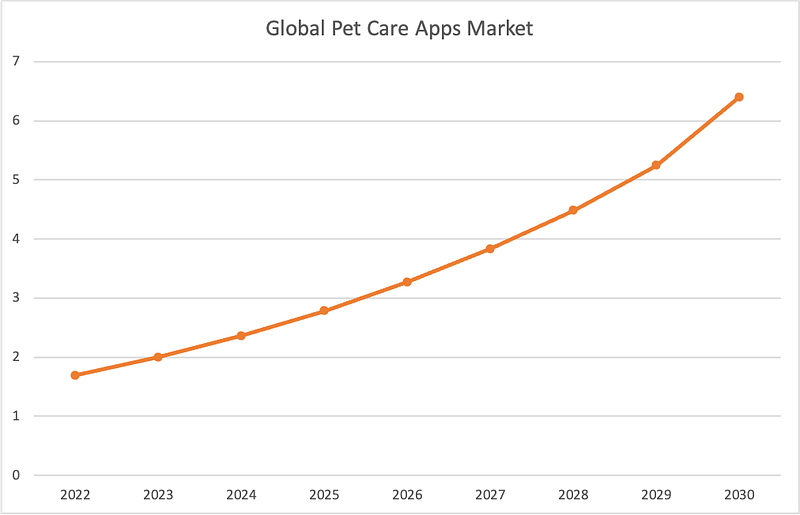
Global Pet Care Apps Market:
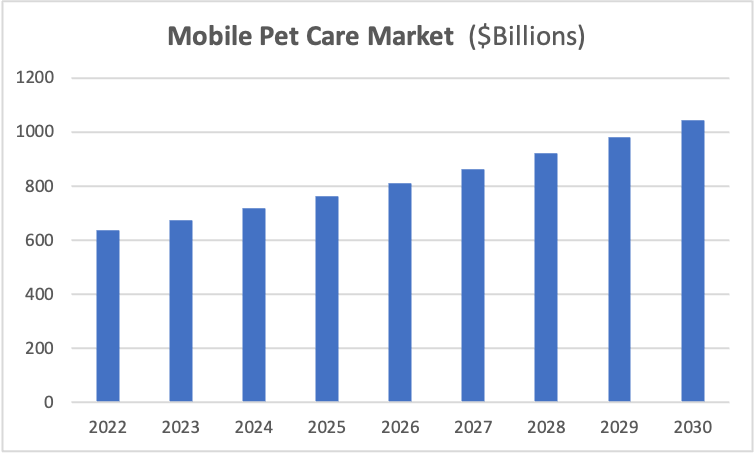
Mobile Pet Care Market
Increasing Pet Ownership:
- The pet care apps market is estimated to grow at a CAGR of 9.5% from 2017 to 2025 due to the rising pet ownership worldwide. In 2016, there were around 7 billion pets globally and this number is expected to reach 8 billion by 2025.
These figures shows the immense potential for pet care apps, making them a promising area for innovation and development.
Requirement Gathering
Functional Requirements:
The functional requirements define the features and customer journey for the Pet Care App:
User Registration and Authentication:
- Feature: Users can register and log in using email, social media accounts or phone number.
- Customer Journey: A new user downloads the app, registers with their email or social media account, verifies their identity and logs in.
Pet Profile Management:
- Feature: Users can create and manage profiles for each of their pets, including details such as name, age, breed and medical history.
- Customer Journey: After logging in, the user navigates to the pet profile section, adds a new pet by filling in the details and saves the profile. They can also edit or delete pet profiles as needed.
Health Records Tracking:
- Feature: Users can track vaccinations, vet visits and medications for their pets.
- Customer Journey: The user selects a pet profile, adds a new health record by entering the relevant information like vaccination date and vet visit notes then saves it. They can view a timeline of health records for each pet.
Training Tips and Resources:
- Feature: Provide users with training tips and resources tailored to their pets’ needs.
- Customer Journey: The user accesses the training section, browses through categorized tips and resources and saves or marks their favorites for future reference.
Local Pet Services:
- Feature: Connect users with local pet services such as groomers, trainers and veterinarians.
- Customer Journey: The user searches for local services, views detailed information and reviews and books appointments or contacts service providers directly through the app.
Reminders and Notifications:
- Feature: Send reminders for upcoming vet appointments, medication schedules and vaccination dates.
- Customer Journey: The user sets reminders for their pet’s health events and the app sends timely notifications to ensure they don’t miss any important dates.
Social Sharing
- Feature: Allow users to share their pets’ profiles, achievements and cute moments on social media.
- Customer Journey: The user takes a picture or updates a pet’s profile, selects the share option and posts it directly to their preferred social media platform.
In-App Purchases and Subscriptions:
- Feature: Offer premium features and services through in-app purchases and subscription plans.
- Customer Journey: The user explores premium features, subscribes to a plan and makes purchases for additional services like personalized training sessions or exclusive content.
Non-Functional Requirements:
- Scalability: Ability to handle a growing number of users and pets.
- Performance: Fast loading times and responsive design.
- Security: Data encryption, secure authentication and compliance with data protection regulations.
- Usability: User-friendly interface with intuitive navigation.
- Reliability: High uptime and minimal downtime.
- Maintainability: Easy to update and maintain the app.
By defining these functional and non functional requirements, the app can provide a comprehensive and seamless experience for pet owners, ensuring they have all the tools they need to take care of their pets effectively.
System Methodology
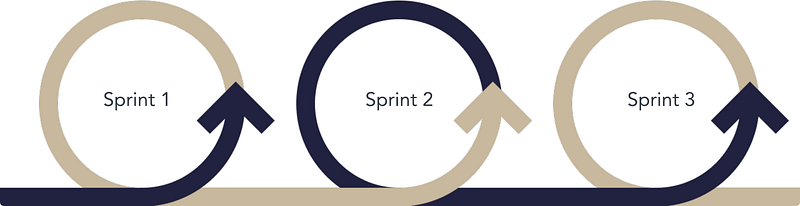
To build a robust and scalable Pet Care App, we will adopt an Agile methodology. Agile promotes iterative development, where the project is divided into small, manageable units called sprints. This approach allows for continuous feedback, regular updates and the flexibility to adapt to changing requirements.
Key Steps:
- Requirement Analysis: Gather and document all functional and non-functional requirements.
- Design: Create high-level and detailed designs, including database schema and system architecture.
- Development: Develop the app in iterations, with each sprint focusing on a specific set of features.
- Testing: Conduct rigorous testing, including unit testing, integration testing and user acceptance testing.
- Deployment: Deploy the app to a production environment, ensuring minimal downtime.
- Maintenance: Regular updates and maintenance based on user feedback and technological advancements.
Data Fact Figure and Calculation
To build an effective system, we need to estimate the amount of data that will be handled and stored. This involves understanding user activity, reservation data and additional metadata.
Here’s a detailed breakdown:
Estimated Starting Data Calculation:
- Users: Assume we start with 10,000 users.
- Pets per user: On average, each user has 2 pets.
- Pet profiles: 20,000 profiles.
- Health records per pet: Each pet has 10 health records (vaccinations, vet visits, medications).
- Total health records: 200,000 records.
- Training tips and resources: 500 items.
- Local services: 1,000 service providers.
Data Volume:
- User data: 10,000 users x 1 KB = 10 MB
- Pet profiles: 20,000 profiles x 2 KB = 40 MB
- Health records: 200,000 records x 0.5 KB = 100 MB
- Training resources: 500 items x 0.2 KB = 100 KB
- Local services: 1,000 providers x 0.5 KB = 500 KB
Total initial data volume: ~150.6 MB
Storage Requirements
Storage Types:
- Relational Database: Store structured data like user profiles, pet profiles and health records. We can use PostgreSQL or MySQL.
- Cloud Storage: Store unstructured data like images and documents. We can use Amazon S3 or Google Cloud Storage.
- Caching: Use Redis or Memcached for caching frequently accessed data to improve performance.
Storage Estimation:
- Relational Database: 200 MB for initial data with room for growth.
- Cloud Storage: 500 MB for images and documents.
- Caching: 50 MB for frequently accessed data.
Total storage requirement: ~750 MB initially, with scalability options in place to accommodate future growth.
Server Requirements and Calculation
Server Types:
- Application Server: Hosts the application and handles business logic. We can use Node.js or Python (Django/Flask).
- Database Server: Hosts the relational database. We can use PostgreSQL or MySQL.
- File Server: Hosts files and images. We can use cloud storage solutions.
Server Calculation:
- User Load: Assume each user generates 10 requests per day.
- Total Requests: 10,000 users x 10 requests = 100,000 requests/day.
- Peak Load: Assuming peak usage is 10% of the day, 100,000 requests/2.4 hours ≈ 11.6 requests/second.
Server Estimation:
- Application Server: 2 instances of m5.large AWS EC2 (2 vCPUs, 8 GB RAM) for handling requests.
- Database Server: 1 instance of db.m5.large AWS RDS (2 vCPUs, 8 GB RAM).
- File Server: Amazon S3 for scalable storage.
High-Level Architecture
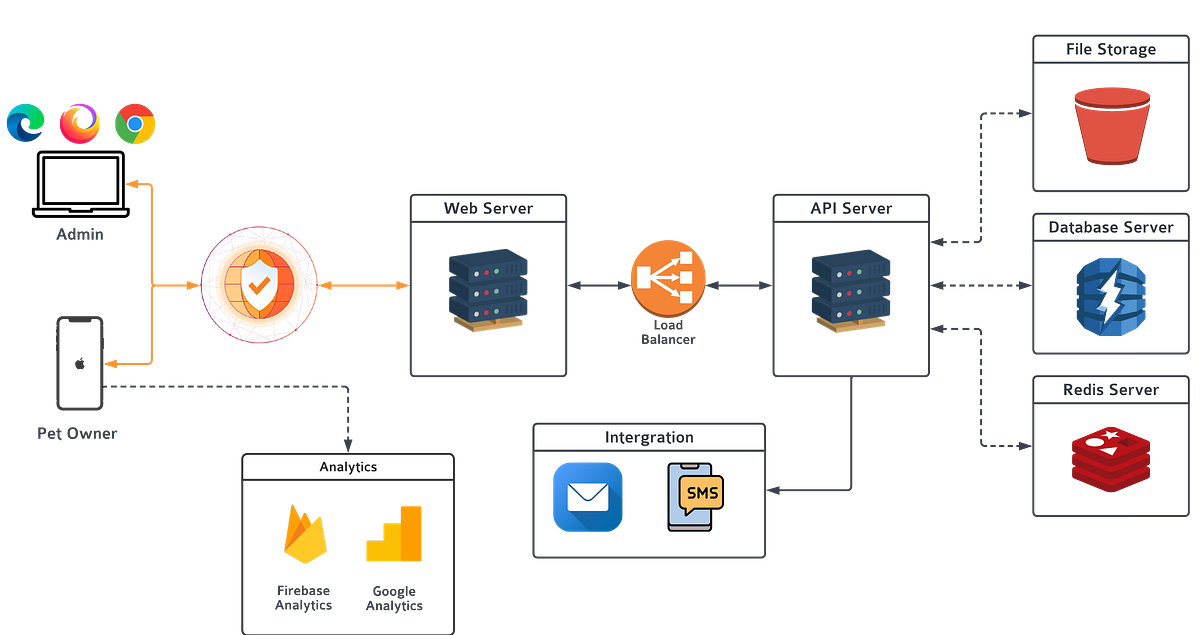
Components:
- Frontend: Developed using React Native / Flutter for a cross-platform mobile experience.
- Backend: Laravel / Django / NestJS.
- Database: PostgreSQL for relational data.
- Cloud Storage: Amazon S3 for file storage.
- Notification Service: Firebase Cloud Messaging for push notifications.
- Third-Party Integrations: APIs for local pet services and emergency contacts.
Overall Cost Estimation
Developing and maintaining a Pet Care App involves various costs, which can be categorized into initial development costs and ongoing operational costs. Let’s break down each component to understand the financial requirements more clearly.
Initial Development Costs:
Summing up the initial development costs, we have:-
- 2x Developer: $50,000 x 2
- UI/UX Designer: $50,000
- Testing and QA: $30,000
- Deployment and Setup: $5,000
Monthly Operational Costs:
The monthly operational costs add up to:
- Server Costs: $1,000 (AWS EC2, RDS, S3)
- Maintenance and Updates: $2,000
- Marketing and Support: $3,000
Annual Costs:
Combining the development and operational costs, the total expenditure for the first year amounts to:
- Total Development Costs: $185,000
- Total Operational Costs: $6,000 x 12 = $72,000
- Total First-Year Costs: $257,000
Grand Total Estimated Cost Annually:~ $257,000
Grand Total Estimated Cost Monthly: $257,000 / 12 ~ $21,416.60
Understanding these costs helps in planning and securing the necessary budget to develop, launch and maintain a successful application. By investing wisely in both development and ongoing operations, we can ensure the app remains functional, user-friendly and competitive in the market.
Note: These estimates are tailored for small startups and may vary based on project specifics and team composition. Plus, these figures serve as rough estimates and can fluctuate based on technology choices and business growth.
How to Monetize

Monetizing the Pet Care App involves implementing multiple revenue streams to ensure sustainability and profitability. Here’s a detailed explanation of each monetization strategy:
Subscription Model:
- Description: Offer a subscription-based model where users can access premium features by paying a monthly or annual fee.
- Features Included: Advanced health tracking, personalized training tips, exclusive content, priority customer support and an ad-free experience.
- Implementation: Create different subscription tiers (ex: Basic, Premium, VIP) with varying levels of access and benefits. Users can subscribe directly through the app using in-app purchase mechanisms.
In-App Purchases:
- Description: Allow users to purchase additional services and content within the app.
- Items Offered: Virtual training sessions with experts, specialized health advice, premium pet products and exclusive access to events or webinars.
- Implementation: Integrate a secure payment gateway and showcase purchasable items in a dedicated store section within the app. Ensure a smooth and user-friendly checkout process.
Advertisements:
- Description: Display targeted ads to users within the app.
- Types of Ads: Banner ads, interstitial ads and sponsored content relevant to pet care, products and services.
- Implementation: Partner with advertising networks like Google AdMob or Facebook Audience Network to serve ads. Ensure that ads are non-intrusive and do not hamper the user experience.
Partnerships:
- Description: Collaborate with local and national pet service providers to offer exclusive deals and promotions to app users.
- Partnership Opportunities: Grooming salons, veterinary clinics, pet stores, pet insurance companies and training centers.
- Implementation: Establish partnerships through agreements where partners pay for visibility and access to the app’s user base. Promote these partners through special sections in the app, push notifications and email campaigns.
Freemium Model:
- Description: Offer the basic features of the app for free while charging for advanced features.
- Free Features: Basic pet profile management, limited health record tracking and access to a few training tips and local services.
- Premium Features: Comprehensive health tracking, personalized advice, access to all training resources and premium customer support.
- Implementation: Clearly differentiate between free and premium features and encourage users to upgrade through periodic prompts, highlighting the benefits of premium access.
By implementing these monetization strategies, the Pet Care App can generate multiple revenue streams, ensuring its long-term viability and enabling continuous improvement and expansion of features. This approach not only maximizes profits but also provides value to users through diverse and high-quality offerings.
Best Practices
- Security First: Implement strong security measures, including data encryption, secure authentication and regular security audits.
- User-Centric Design: Focus on creating a user-friendly interface with intuitive navigation and seamless user experience.
- Scalability: Design the system to handle increasing user loads and data volumes without compromising performance.
- Regular Updates: Continuously improve the app by incorporating user feedback and staying updated with the latest technological advancements.
- Compliance: Ensure the app complies with relevant data protection regulations like GDPR and CCPA.
- Testing: Conduct comprehensive testing, including unit tests, integration tests and user acceptance tests to ensure the app’s reliability and performance.
- Monitoring: Implement monitoring tools to track app performance, user activity and potential issues in real-time.
- Community Engagement: Foster a strong community of pet owners by providing valuable content and engaging with users through forums and social media.
Conclusion
Building a Pet Care App involves careful planning and execution across various aspects, including requirement gathering, data management, system architecture and monetization strategies. By following best practices and focusing on user needs, we can create a valuable tool that simplifies pet care for owners and enhances the overall pet ownership experience.
Thank you for reading! Don’t forget to subscribe to stay informed about the latest updates in system design and e-commerce innovations. Happy designing!
If you found this article insightful and want to stay updated with more content on system design and technology trends, be sure to follow me on :-
Twitter: https://twitter.com/hafiqdotcom
LinkedIn: https://www.linkedin.com/in/hafiq93
Buy Me Coffee: https://paypal.me/mhi9388 /
https://buymeacoffee.com/mhitech