Building a Smart Parking Solution
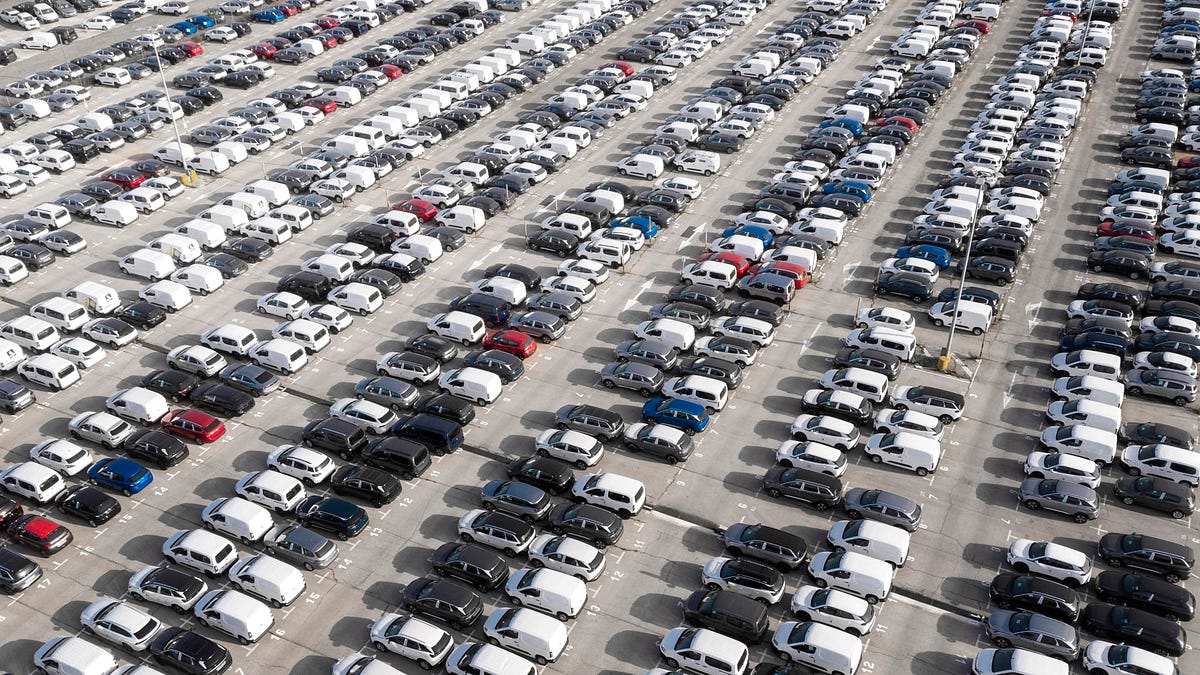
Parking is a challenge many urban citizen face daily. As cities grow and more vehicles hit the roads, finding a parking spot becomes increasingly difficult especially on public area on the peak hours.
We think, reservation parking spot system — a solution that allows users to reserve a parking spot for their vehicle in advance would solve this urban problem. This system would supports multiple types of vehicles, with varying rates based on time and vehicle type.
Let’s dive into designing this system, covering everything from demand statistics to best practices.
Disclaimer: The calculations and design presented in this article are estimations and provide a rough design for educational purposes. Actual requirements may vary based on specific use cases, user behavior and system optimizations. It is recommended to conduct detailed analysis and testing tailored to your specific project needs.
Demand Statistics
Before diving into the design and implementation details, understanding the market demand is crucial. Urban areas, especially in bustling cities, face significant parking challenges. Here are some statistics to set the context:
- Urban Growth: According to the United Nations Population Fund, more than half of the world’s population currently lives in cities and towns. By 2030, this number is estimated to increase significantly, reaching approximately 5 billion people living in urban areas. This projection aligns with the expectation that 50-60% of the global population will reside in cities by that time.
- Vehicle Ownership: In the US alone, there are about 283.4 million registered vehicles in 2022.
- Parking Issues: On average, drivers spend 17 hours a year searching for parking, costing $345 per driver in wasted time, fuel and emissions.
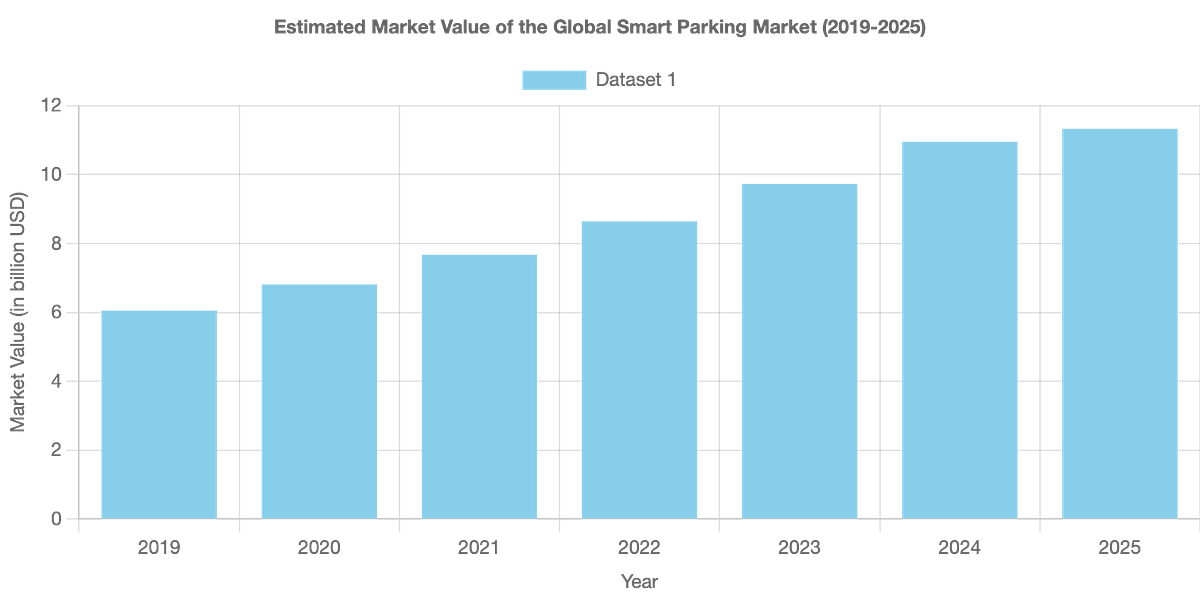
- Revenue Potential: According to a report by Allied Market Research, the global smart parking market was valued at $6.05 billion in 2019 and is estimated to reach $11.13 billion by 2027, with a CAGR of 12.6% from 2020 to 2027.
Requirement Gathering
Functional Requirements
User Registration and Authentication:
- Users should be able to create an account using email or social media login.
- Implement authentication mechanisms to ensure secure access.
Parking Spot Search:
- Allow users to search for available parking spots based on criteria such as location, vehicle type and time.
- Provide filters and sorting options to refine search results.
Reservation:
- Enable users to select and reserve a parking spot for a specific time duration.
- Show real-time availability of parking spots.
Dynamic Pricing:
- Implement a pricing model that varies based on time, vehicle type and demand.
- Display pricing details to users before confirming a reservation.
Payment Integration:
- Integrate with Stripe as the payment gateway for processing transactions.
- Support various payment methods, including credit/debit cards and digital wallets.
Cancellation and Modification:
- Allow users to cancel or modify their reservations within a certain timeframe.
- Implement policies for refunds and modifications.
Notifications:
- Send email/SMS notifications for reservation confirmation, reminders and expiration.
- Provide in-app notifications for real-time updates.
Non-Functional Requirements
- Scalability: Handle a large number of users and transactions, especially during peak hours.
- Performance: Quick response times for searches and reservations.
- Security: Protect user data and transactions.
- Availability: High uptime to ensure users can access the service whenever needed.
- Usability: User-friendly interface for both mobile and web platforms.
System Methodology
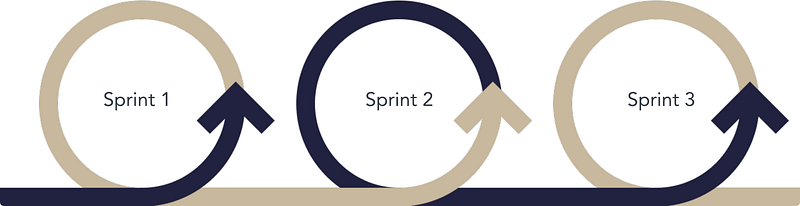
Choosing the right methodology is key. For this project, Agile methodology is recommended due to its flexibility and iterative approach.
- Sprint Planning: Break down the project into manageable sprints, typically 2–4 weeks.
- Daily Standups: Regular meetings to track progress and address roadblocks.
- User Feedback: Collect and integrate user feedback regularly to improve the system.
Data Fact Figure and Calculation
To build an effective reservation parking spot system, we need to estimate the amount of data that will be handled and stored. This involves understanding user activity, reservation data and additional metadata.
Here’s a detailed breakdown:
User Data
- User Base: Starting with 100,000 users.
- User Information: Each user profile includes details such as username, email, password (hashed), vehicle information and payment details. Estimated storage per user is around 2 KB.
Calculation: 100,000 users * 2 KB/user = 200,000 KB = 200 MB
Reservation Data
- Daily Reservations: We estimate that 20% of the active user base will make reservations daily.
- Reservation Details: Each reservation record includes user ID, parking spot ID, vehicle type, start time, end time and payment info. Estimated storage per reservation is around 1 KB.
Calculation:
- Active users making reservations daily: 20% of 100,000 = 20,000 users
- 20,000 reservations/day * 1 KB/reservation = 20,000 KB = 20 MB/day
- Monthly data: 20 MB/day * 30 days = 600 MB/month
- Yearly data: 600 MB/month * 12 months = 7.2 GB/year
Parking Spot Data
- Parking Spots: Let’s assume there are 10,000 parking spots in the system.
- Parking Spot Information: Each parking spot record includes location details, vehicle compatibility, pricing, availability status and metadata. Estimated storage per parking spot is around 1 KB.
Calculation: 10,000 parking spots * 1 KB/spot = 10,000 KB = 10 MB
Transaction Data
- Payment Transactions: On average, 50% of the reservations result in a transaction.
- Transaction Details: Each transaction record includes reservation ID, user ID, payment amount, payment method and transaction status. Estimated storage per transaction is around 0.5 KB.
Calculation:
- Daily transactions: 50% of 20,000 reservations = 10,000 transactions
- 10,000 transactions/day * 0.5 KB/transaction = 5,000 KB = 5 MB/day
- Monthly data: 5 MB/day * 30 days = 150 MB/month
- Yearly data: 150 MB/month * 12 months = 1.8 GB/year
Notification Data
- Notifications: Each reservation triggers multiple notifications (confirmation, reminders, expiration).
- Notification Details: Each notification record includes user ID, reservation ID, notification type and timestamp. Estimated storage per notification is around 0.2 KB.
Calculation:
- Notifications per reservation: 3 (confirmation, reminder, expiration)
- Daily notifications: 3 * 20,000 reservations = 60,000 notifications
- 60,000 notifications/day * 0.2 KB/notification = 12,000 KB = 12 MB/day
- Monthly data: 12 MB/day * 30 days = 360 MB/month
- Yearly data: 360 MB/month * 12 months = 4.32 GB/year
Log Data
- System Logs: Captures system events, errors and user activities.
- Log Details: Each log entry includes a timestamp, event type and message. Estimated storage per log entry is around 0.5 KB.
Calculation:
- Daily logs: Assume 100,000 log entries/day
- 100,000 logs/day * 0.5 KB/log = 50,000 KB = 50 MB/day
- Monthly data: 50 MB/day * 30 days = 1.5 GB/month
- Yearly data: 1.5 GB/month * 12 months = 18 GB/year
Total Data Calculation
Combining all the data calculations:
- User Data: 200 MB
- Reservation Data: 7.2 GB/year
- Parking Spot Data: 10 MB
- Transaction Data: 1.8 GB/year
- Notification Data: 4.32 GB/year
- Log Data: 18 GB/year
Total Yearly Data:
- User Data + Reservation Data + Parking Spot Data + Transaction Data + Notification Data + Log Data
- 200 MB + 7.2 GB + 10 MB + 1.8 GB + 4.32 GB + 18 GB = 31.53 GB/year
By estimating the data storage requirements, we ensure that our system is capable of handling the expected load while maintaining performance and scalability.
Storage Requirements
To store the various types of data, we’ll use a combination of databases and cloud storage:
Relational Database (ex: MySQL or PostgreSQL):
- User Data: 200 MB
- Reservation Data: 7.2 GB/year
- Transaction Data: 1.8 GB/year
NoSQL Database (ex: MongoDB):
Logs and Notifications:
- 50 MB/day * 30 days = 1.5 GB/month
- 1.5 GB/month * 12 months = 18 GB/year
Cloud Storage (ex: AWS S3):
Images and assets: If each image is approximately 500 KB and each user uploads an average of 2 images:
- 100,000 users * 2 images * 500 KB = 100 GB
Backup storage: Regular backups of relational and NoSQL databases. Estimated at 10 GB/month.
Storage Summary:
- Relational Database: 9.2 GB/year
- NoSQL Database: 18 GB/year
- Cloud Storage: 100 GB (images and assets) + 10 GB/month (backups) = 120 GB/year
Server Requirement and Calculation
Estimating Server Needs
To handle the estimated load, we need to calculate the server requirements based on the expected traffic and data processing needs.
Web Servers: Handle HTTP requests from users.
- Estimated Load: 10,000 concurrent users with 100 requests per second.
- Servers Required: Assuming each server can handle 5,000 concurrent users:
- 10,000 concurrent users / 5,000 users = 2 servers
- Specifications: 2 vCPUs, 8 GB RAM each server
Application Servers: Process business logic and handle API requests.
- Estimated Load: 20,000 API requests per minute.
- Servers Required: Assuming each server can handle 5,000 API requests per minute:
- 20,000 API requests / 5,000 requests = 4 servers
- Specifications: 4 vCPUs, 16 GB RAM each server
Load Balancers: Distribute incoming traffic across multiple web and application servers
- Web service : NGINX
- Web Server Load Balancer: 4 vCPUs, 8 GB RAM
- Application Server Load Balancer: 4 vCPUs, 8 GB RAM
Database Servers: Manage data storage and queries.
- Estimated Load: 50,000 transactions per day.
- Servers Required: For high availability and replication: 2 instances (primary and replica)
- Specifications: 8 vCPUs, 32 GB RAM each server
Caching Servers: Store frequently accessed data to reduce database load.
- Estimated Load: 10,000 cache requests per second.
- Servers Required: Assuming single server can handle 10,000 cache requests per second
- Specifications: 4 vCPUs, 16 GB RAM each server
Summary of Server Requirements:
- Web Servers: 2 vCPUs, 8GB RAM each
- Application Servers: 4 vCPUs, 16 GB RAM each
- Database Servers: 8 vCPUs, 32 GB RAM each
- Caching Servers: 4 vCPUs, 16 GB RAM each
- Load Balancer Servers: 4 vCPUs, 8GB RAM each
These calculations provide an estimate of the server resources required to handle the expected load and ensure smooth operation of the reservation parking spot system.
Payment Integration
For seamless payment processing, Stripe is an excellent choice due to its robust API, ease of integration and support for various payment methods. Here are the steps to integrate Stripe:
Account Setup: Create a Stripe account and set up your payment settings.
API Integration: Use Stripe’s API to handle payment transactions. Ensure secure API calls using server-side code.
Payment Methods: Support various methods such as credit/debit cards, Apple Pay and Google Pay.
Transaction Management: Implement features for handling payments, refunds and disputes.
Compliance: Ensure PCI compliance to secure payment information.
Cost of Using Stripe
Stripe’s pricing is transparent and competitive, making it a cost-effective solution for payment processing.
- Transaction Fees: Stripe charges 2.9% + $0.30 per successful card charge for most transactions. This fee can vary slightly depending on the country and currency.
- No Setup Fees: Stripe does not charge any setup, monthly or hidden fees, making it accessible for startups and small businesses.
- Volume Discounts: For businesses with large transaction volumes, Stripe offers customized pricing and volume discounts.
Example Cost Calculation
Assuming an average transaction value of $50 and an estimated 2,000 bookings per month:
- Monthly Transactions: 10,000
- Total Transaction Value: 10,000 x $50 = $500,000
- Stripe Fees: $500,000 x 2.9% + (10,000 x $0.30) = $14 500 + $3000 = $17,500
With these fees, Stripe provides a reliable and cost-effective payment solution that can scale with the system’s growth.
High-Level Architecture
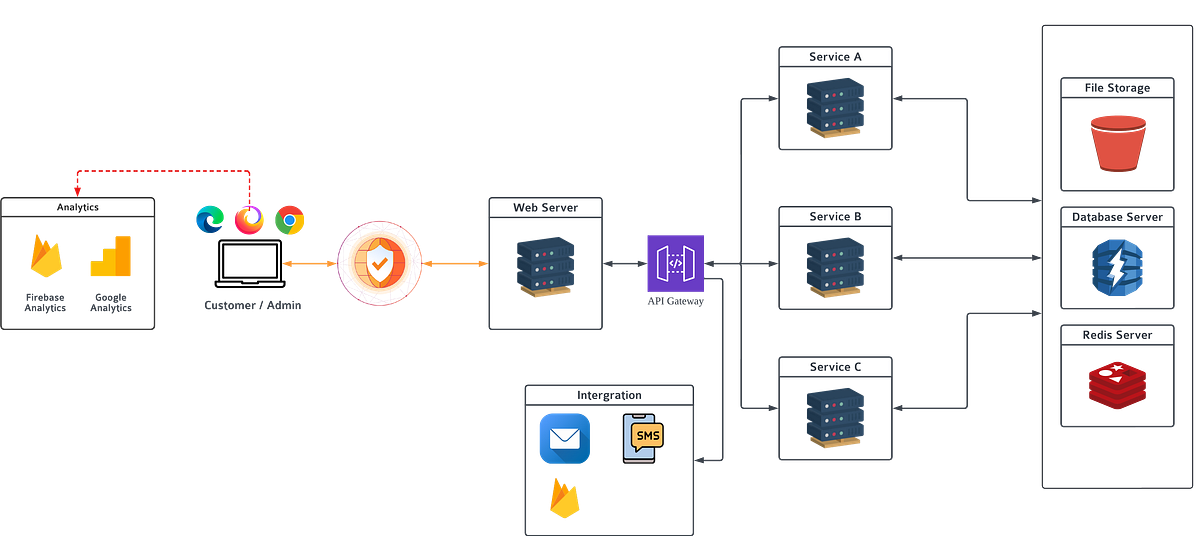
A high-level architecture of the reservation parking spot system includes:
- Client Layer: Web and mobile applications used by end-users.
- API Gateway: Manages API requests and routes them to the appropriate services.
- Application Layer: Microservices handling different functionalities like user management, reservations, payments and notifications.
- Database Layer: Both relational and NoSQL databases.
- Caching Layer: Caching frequently accessed data to improve performance.
- External Services: Payment gateways, notification services (SMS, email).
Overall Cost Estimation
Development Costs
The development phase includes costs for a development team, tools, software licenses and consulting fees. Depending on the complexity and scale of the project, you can expect to invest between $100,000 and $300,000 for a year-long development period. Assuming a team of 2 developers and 1 designer.
- Average Developer Salary: $50,000 per year
- Average UIUX Designer Salary: $50,000 per year
- Total Salary Cost: (2 * $50,000 + $50,000) = $150,000
Infrastructure Costs and Ongoing Maintenance Costs
The infrastructure costs involve web servers, application servers, database servers, cache servers, load balancers and storage.
- Monthly infrastructure expenses can range from $5,000 to $12,000 with annual costs accumulating accordingly between $60,000 and $144,000.
Ongoing maintenance involves expenses for system administration, support staff and regular updates and bug fixes.
- Annually, maintenance costs typically fall within the $10,000 to $25,000 range, ensuring the system remains operational and secure.
Total Estimated Cost
- Initial Development: $150,000 = $150,000
- Infrastructure: $5,000 * 12 = $60,000
- First Year Maintenance: $150,000 (development) + $60,000 (server) + $10,000 = $220,000
Grand Total Estimated Cost Annually: $220,000
Note: These estimates are tailored for small startups and may vary based on project specifics and team composition. Plus, these figures serve as rough estimates and can fluctuate based on technology choices and business growth.
How to Monetize?

Monetizing the reservation parking spot system involves several strategies to generate revenue. Here are some effective ways to monetize:
Parking Fees
The primary source of revenue will come from charging users for reserving parking spots. Implement a dynamic pricing model where rates vary based on factors such as:
- Vehicle Type: Different rates for cars, motorcycles, trucks, etc.
- Time of Day: Higher rates during peak hours, lower rates during off-peak hours.
- Location: Premium rates for high-demand areas, standard rates for less popular locations.
Example Calculation:
- Car parking in a high-demand area during peak hours: $5/hour
- Motorcycle parking in a standard area during off-peak hours: $1/hour
Subscription Plans
Offer subscription plans for frequent users, providing them with discounted rates and additional benefits:
- Monthly/Annual Subscriptions: Users pay a flat fee for a set number of hours or unlimited access.
- Tiered Subscriptions: Different levels of subscription (ex: Basic, Premium) with varying benefits.
Example Plans:
- Basic Plan: $20/month for 10 hours of parking
- Premium Plan: $50/month for unlimited parking
Advertising and Sponsorships
Leverage the platform for advertising and sponsorship opportunities:
- In-App Advertisements: Display ads from local businesses, car service providers and other relevant advertisers.
- Sponsored Spots: Allow businesses to sponsor specific parking spots, offering them branding opportunities.
Example Revenue:
- Charge advertisers based on impressions or clicks $10 per 1,000 impressions as example.
- Sponsorship fees for premium spots for example $100/month per sponsored spot.
Partnerships with Businesses
Form partnerships with nearby businesses to offer bundled services and promotions:
- Discounts for Users: Partner with local restaurants, shops and service providers to offer discounts to users who reserve parking spots.
- Revenue Sharing: Share a percentage of the revenue generated from these partnerships.
Example Partnership:
- Partner with a local restaurant to offer a 10% discount to users who reserve a parking spot and dine at the restaurant. The restaurant pays a commission for each referred customer.
Premium Services
Offer premium services for an additional fee:
- Valet Services: Provide valet parking services at select locations.
- Car Wash and Maintenance: Offer car wash and maintenance services while the user’s vehicle is parked.
Example Premium Service Fees:
- Valet Parking: $10 per service
- Car Wash: $20 per wash
Data Insights and Analytics
Monetize aggregated and anonymized data insights:
- Sell Data Insights: Offer data analytics services to city planners, real estate developers and businesses to help them understand parking trends and user behavior.
- Subscription to Analytics Dashboard: Provide access to an advanced analytics dashboard for a subscription fee.
Example Analytics Service Fees:
- Sell detailed parking trend reports to city planners for $500/report.
- Monthly subscription to analytics dashboard: $100/month.
By implementing revenue streams through parking fees, subscriptions, advertisements, partnerships, premium services and data analytics, the reservation parking spot system can achieve sustainable and scalable monetization.
Best Practices
Implementing best practices ensures a reliable and efficient system:
- Security First: Implement strong authentication, encrypt sensitive data and regularly perform security audits.
- Scalability: Design the system to scale horizontally and use auto-scaling features.
- Performance Optimization: Use caching, optimize database queries and employ load balancing.
- User Experience: Ensure the interface is intuitive and responsive. Regularly gather user feedback.
- Continuous Monitoring: Monitor system performance and user activity to quickly identify and resolve issues.
Conclusion
Designing a reservation parking spot system involves meticulous planning and execution. By understanding the demand, gathering comprehensive requirements and following best practices, you can build a system that not only meets the needs of users but also scales with growing urban populations. Whether you’re a developer, a project manager or a business owner, these insights can guide you in creating a successful smart parking solution.
Thank you for reading! Don’t forget to subscribe to stay informed about the latest updates in system design and e-commerce innovations. Happy designing!
If you found this article insightful and want to stay updated with more content on system design and technology trends, be sure to follow me on :-
Twitter: https://twitter.com/hafiqdotcom
LinkedIn: https://www.linkedin.com/in/hafiq93
Buy Me Coffee: https://paypal.me/mhi9388 /
https://buymeacoffee.com/mhitech